Rye
Rye
Secale cereale
Domesticated later than wheat — Iron Age Europe
In the atlas
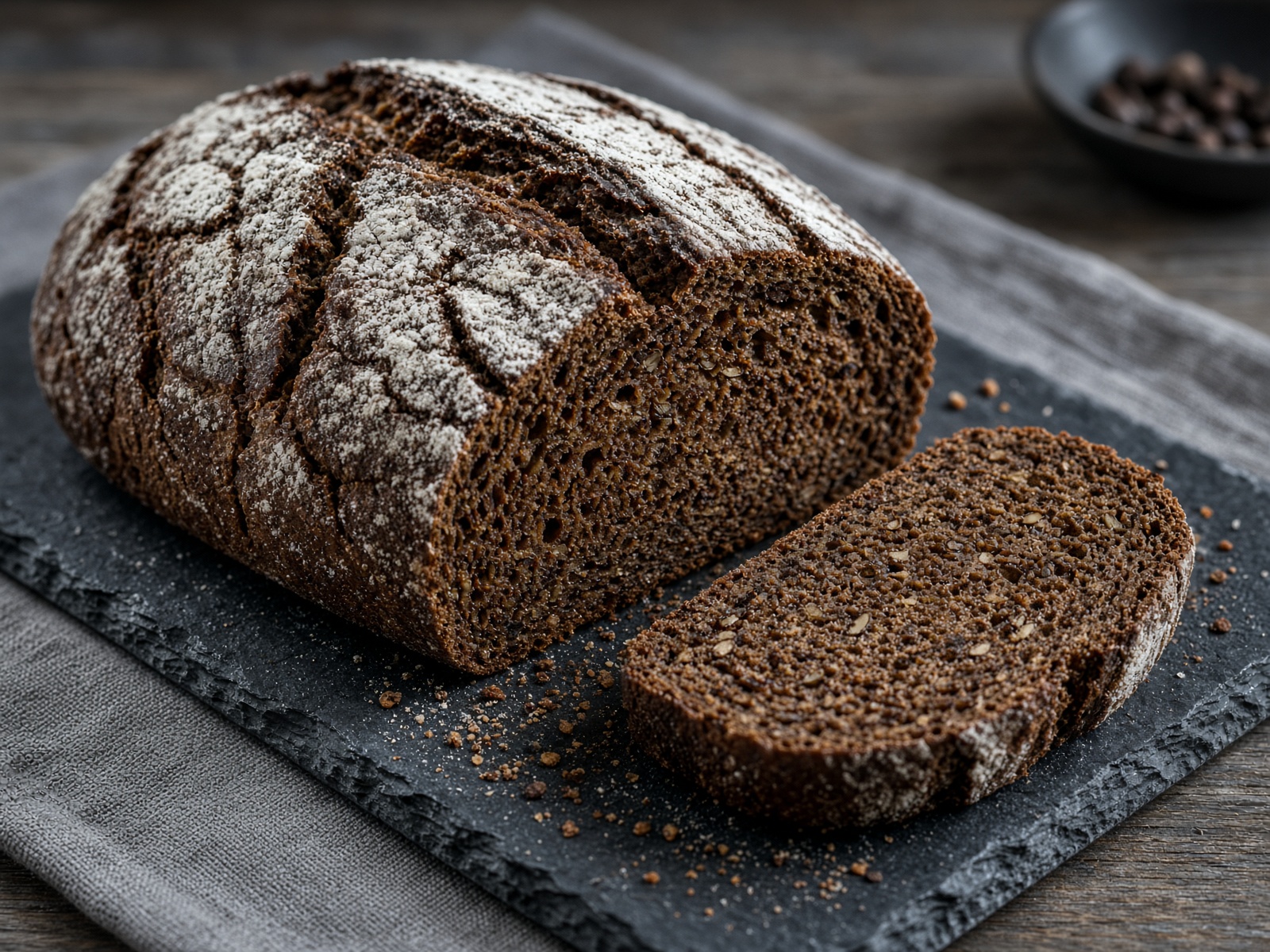
Rye began as a hitchhiker in wheat and barley. In the cold, wet north it out-competed its hosts and became the loaf of the Baltic, Germany, Russia, and Scandinavia. It does not make gluten the way wheat does. It makes pentosans — sticky, water-loving gums — and a sour culture that can ferment for a day. That is why rye bread is a different religion.
Origin. A weed in wheat fields that became northern Europe's bread
Flavor. Earth, caraway-adjacent even without seeds, cocoa, forest floor.
Worth knowing
- Secalins are the rye storage proteins; they are not a wheat gluten network.
- High pentosan content means dough is gluey; mix, don't knead.
- Pumpernickel traditionally is coarse whole rye, steamed for hours.
- Ergot (a fungus) is a historical rye danger; modern food rye is cleaned and inspected.
Flours you can make
| Flour | Extraction | Protein | Gluten | Notes |
|---|---|---|---|---|
| Whole-grain flour | 100% | 10.5% | 3.5% | Everything the berry holds — bran, germ, and endosperm. Mill 1:1 by weight. Use within days, or freeze. |
| High-extraction (85%) | 85% | 10.3% | 3.6% | Sift once through a #30–#40 sieve. Keeps most flavor and minerals, slightly stronger dough than 100%. |
| Light rye (sifted) | 75% | 10.1% | 3.7% | Second sifting (#50–#60). Lighter crumb, longer shelf life, less fiber. Bran left behind is gold in porridge. |
Nutrition / 100 g
- Calories
- 338 kcal
- Protein
- 10.5 g
- Carbs
- 76 g
- Fiber
- 15.1 g
- Fat
- 1.6 g
- Iron
- 2.6 mg
- Magnesium
- 110 mg
- Zinc
- 2.7 mg
- Thiamin
- 0.32 mg
- Selenium
- 35 µg
Typical whole-grain flour / 100 g.
Sources & USDA linksBuy it retail
- Breadtopia
- Azure Standard
- Pleasant Hill Grain
- Bob's Red Mill
- Janie's Mill
- Great River Organic Milling
Availability rotates by harvest. Search the berry name plus “food grade.”
Mill Rye now
Miller’s desk
Grain to flour
Vital wheat gluten booster
Most bags of vital wheat gluten are 75–80% protein. The booster is added on top of the flour, not swapped in.
Whole-grain flour · Weak gluten
- Whole grain needed
- 505 g
- Flour you’ll get
- 500 g
- Bran left behind
- 0 g
- Protein in that flour
- 52.5 g · 10.5%
- Natural gluten
- 3.5%
- Add VWG
- 20.2 g
- After VWG
- 13% protein · 6.2% gluten
About 2.9 cups of berries → 4.9 cups of whole-grain flour. Whole-grain milling is essentially 1:1 by weight; sifting is where you lose bran.
How to mill it
Whole rye flour 'sets' as it hydrates. Mix, rest, mix again.
Medium-coarse for pumpernickel; finer for light rye after sifting.
Tempering: Not required.
Everything the berry holds — bran, germ, and endosperm. Mill 1:1 by weight. Use within days, or freeze.
Milling 101 →Next: bake it
Pick a loaf for this flour
13% protein after VWG · Rye whole-grain flour. Sandwich loaf, focaccia, sourdough — the kitchen will scale dough, hydration, and times to this mix.
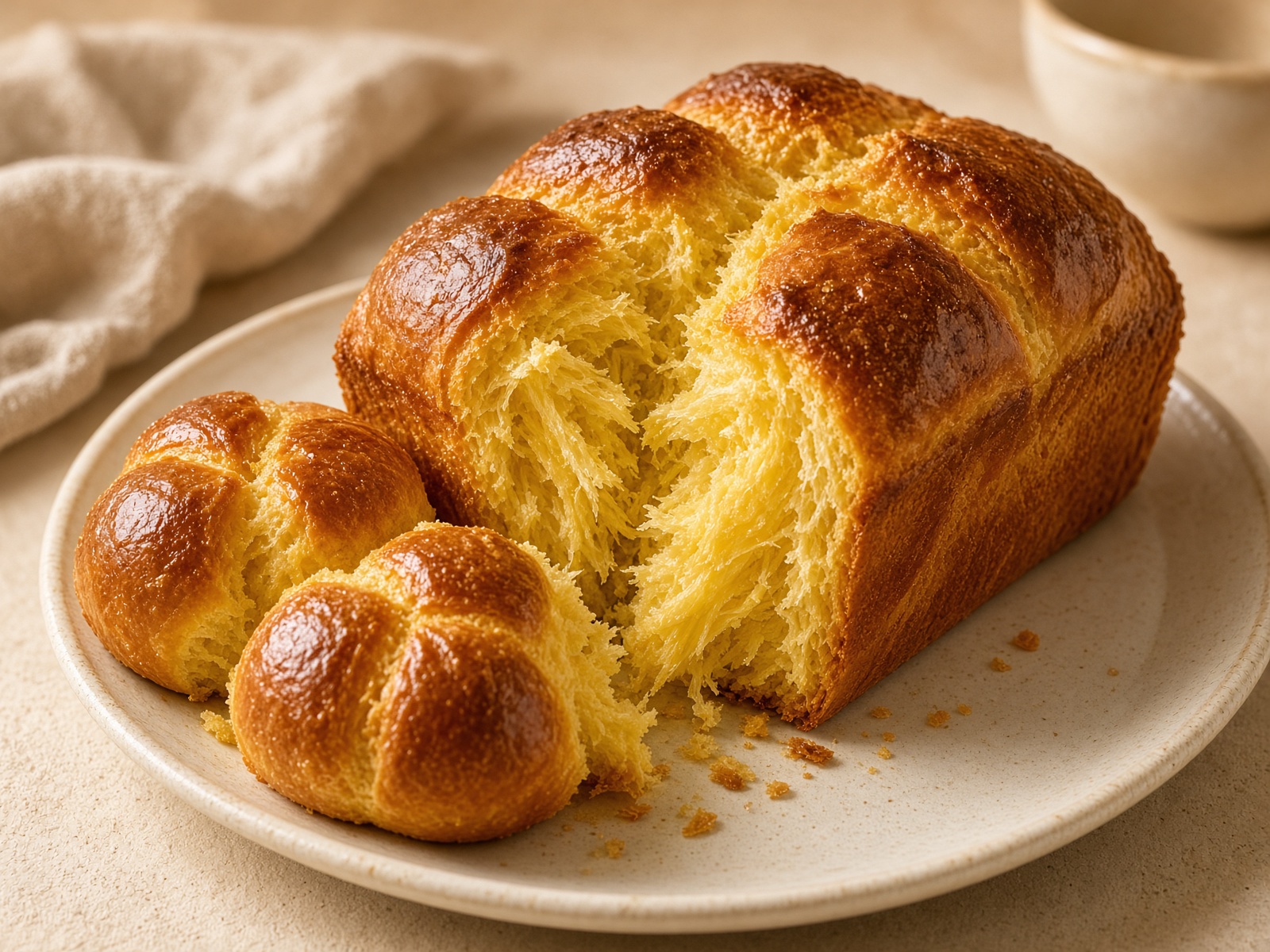
Brioche
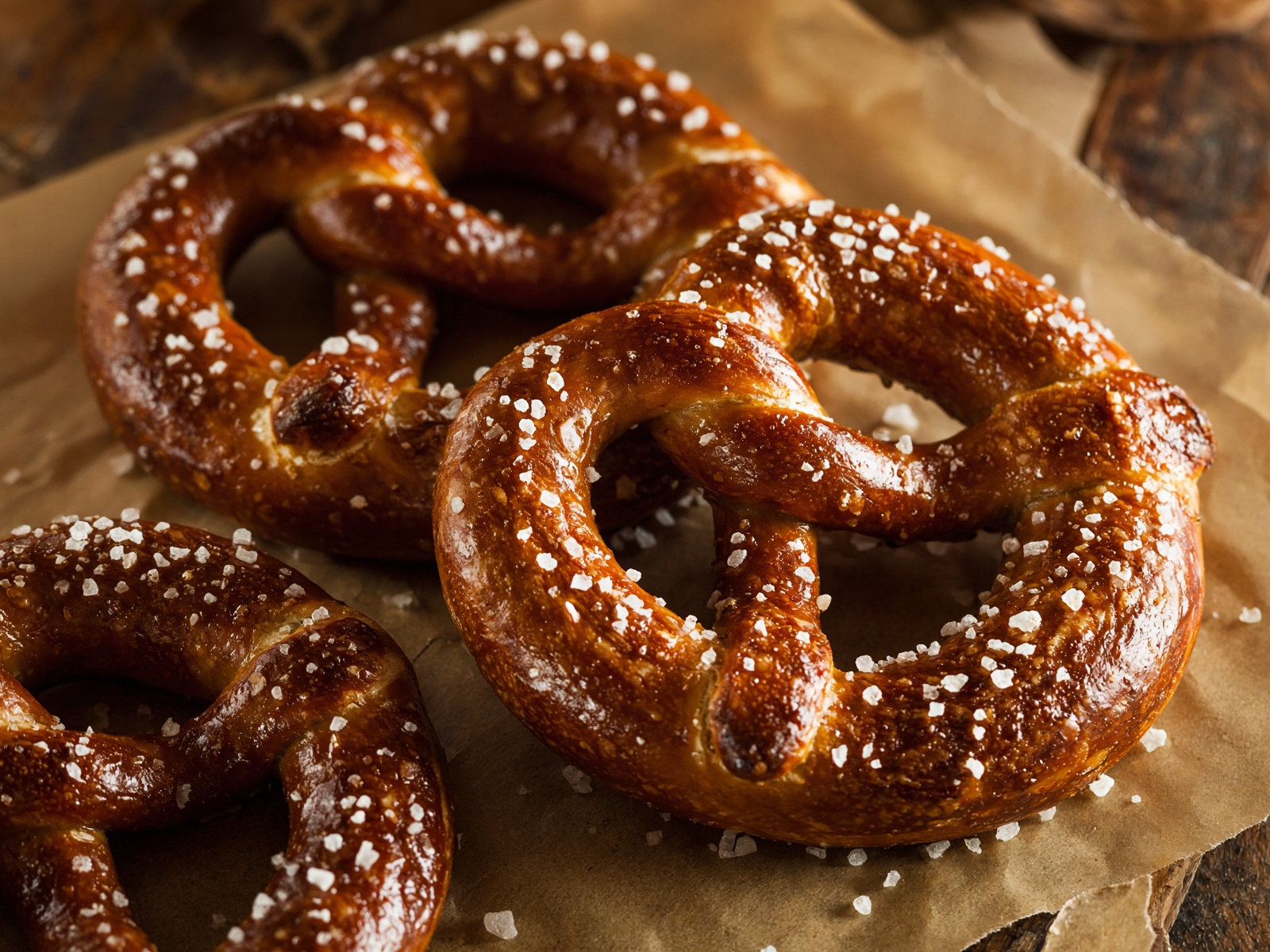
Soft Pretzels
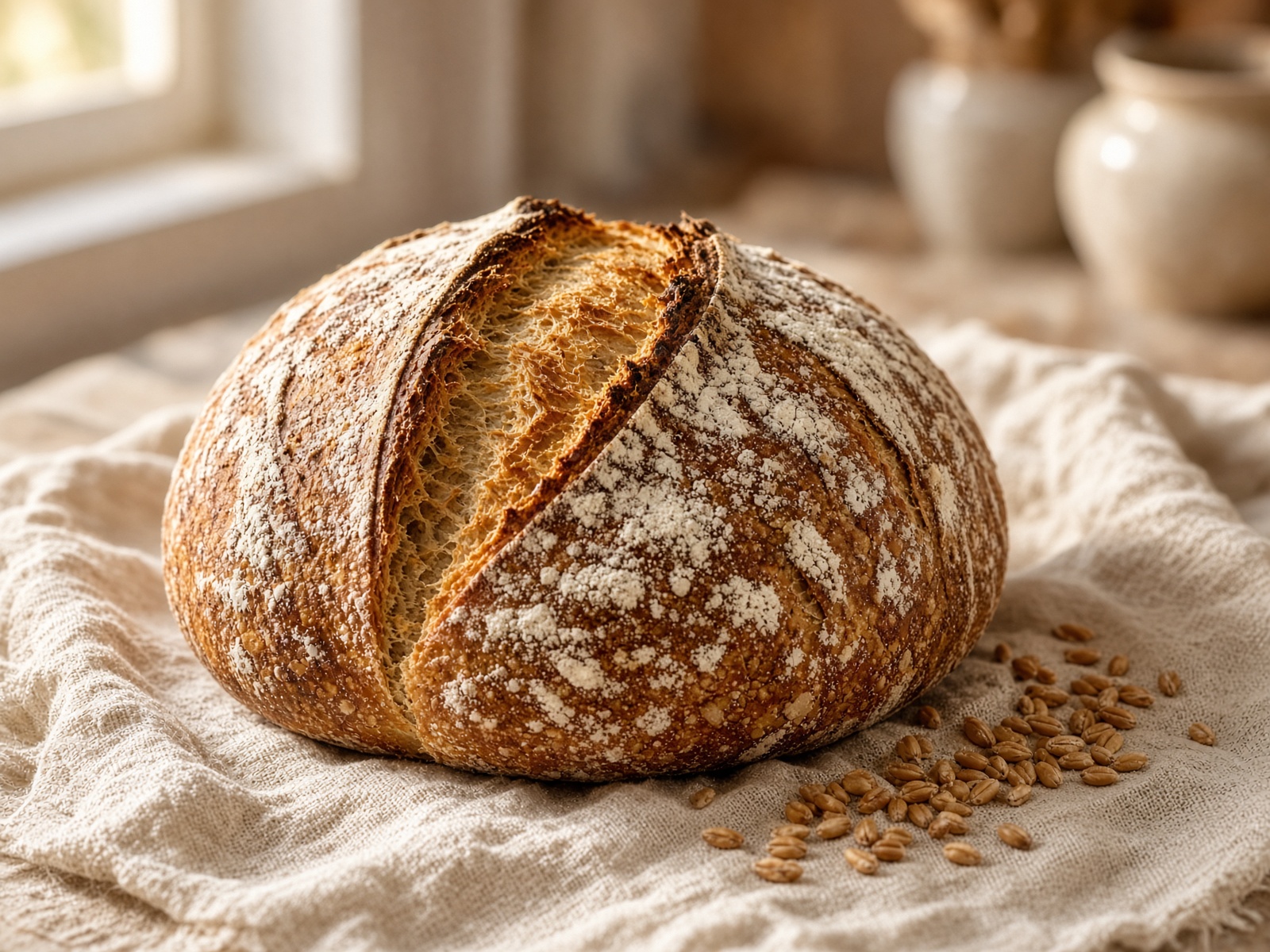
Country Sourdough
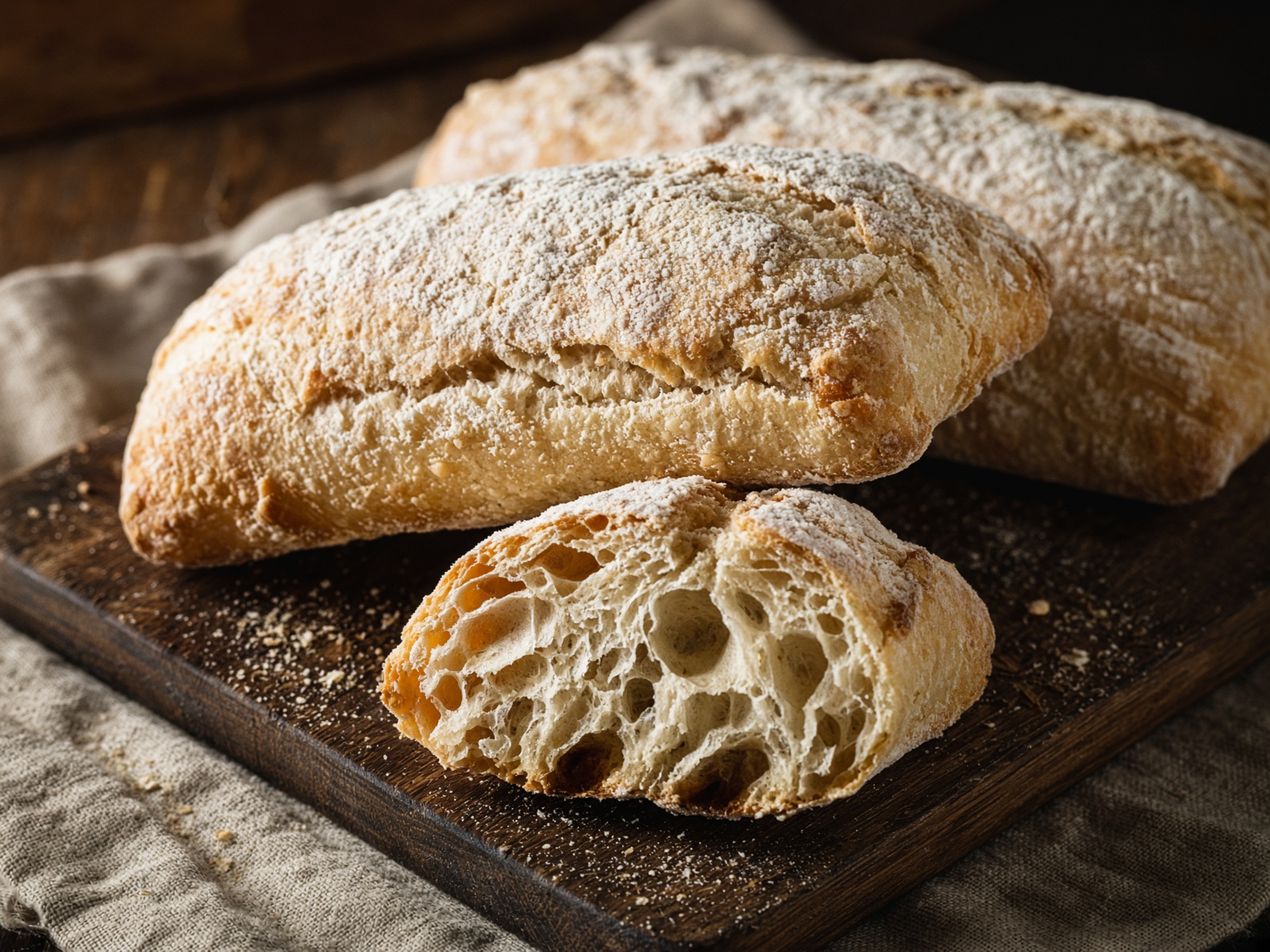
Ciabatta

Pizza Dough
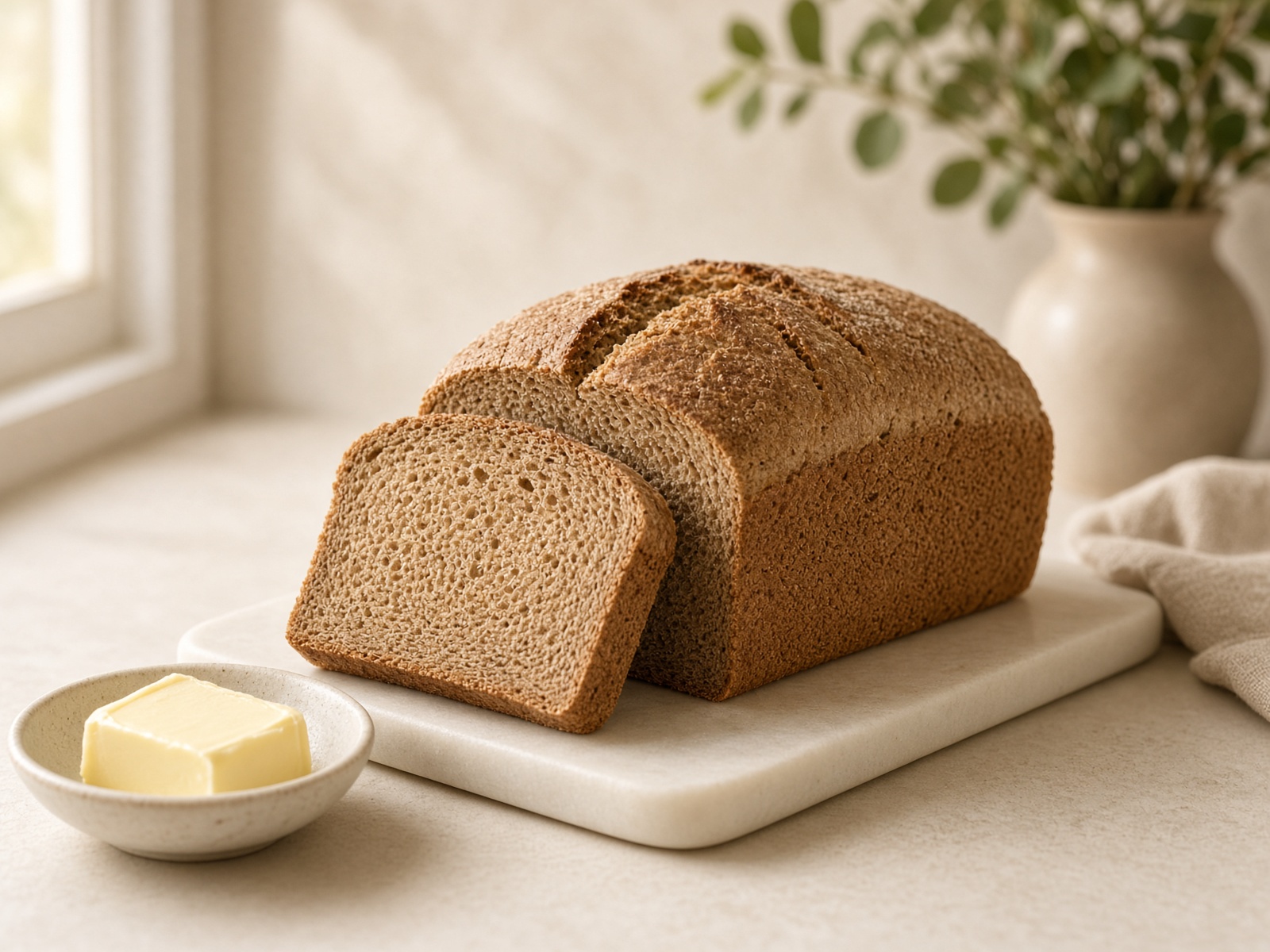
Sandwich Loaf
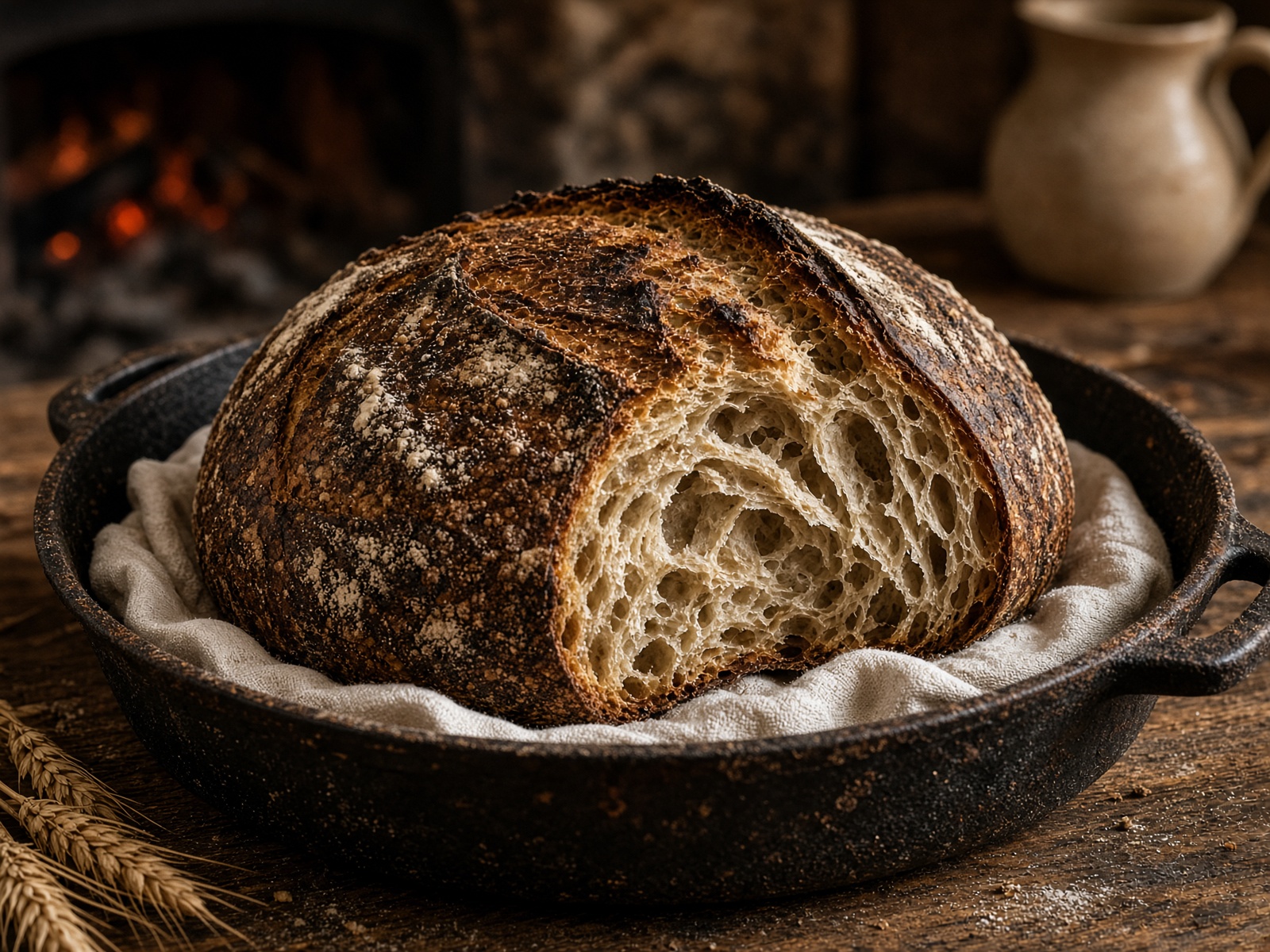
Country Hearth Loaf
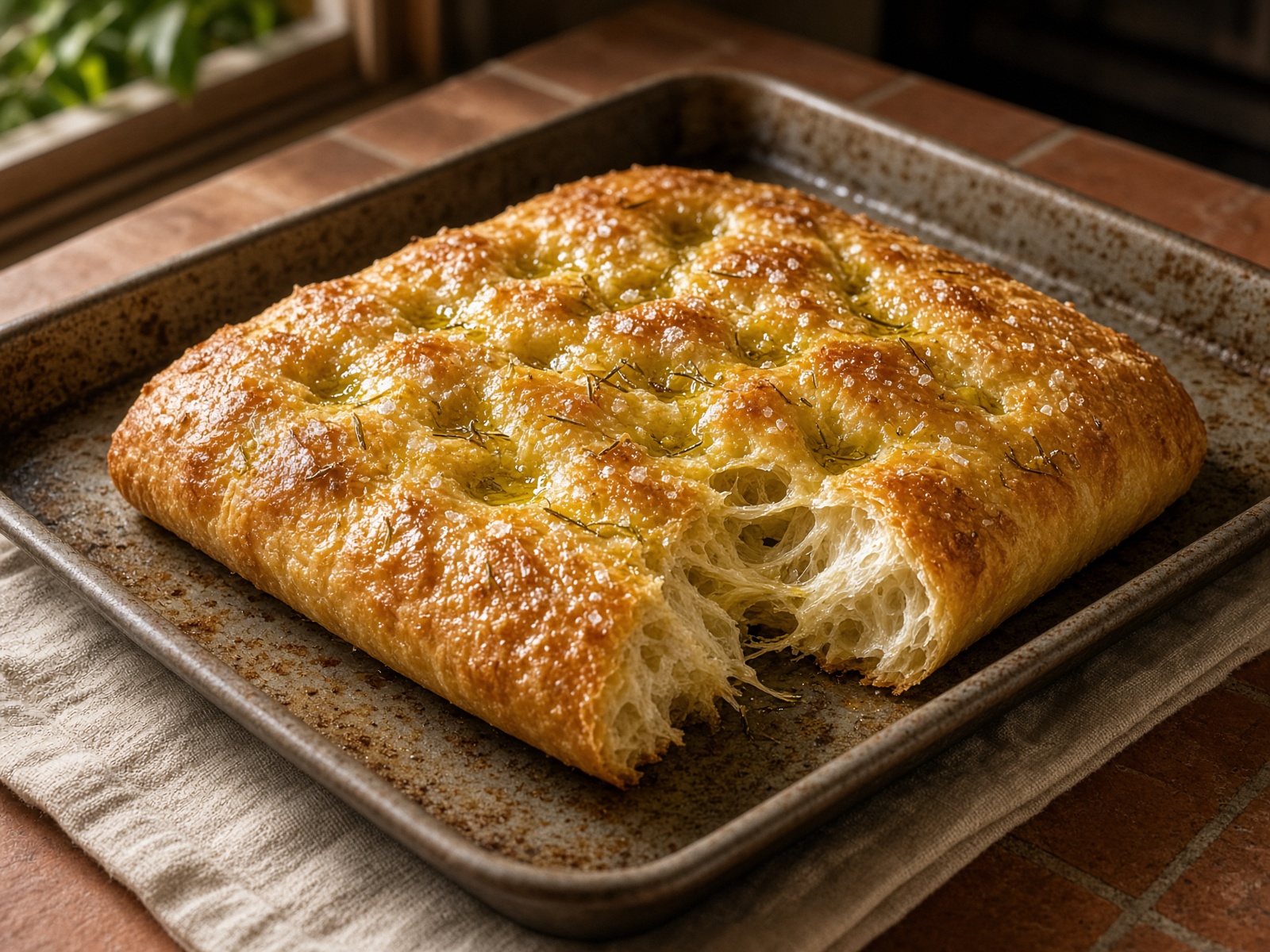
Focaccia
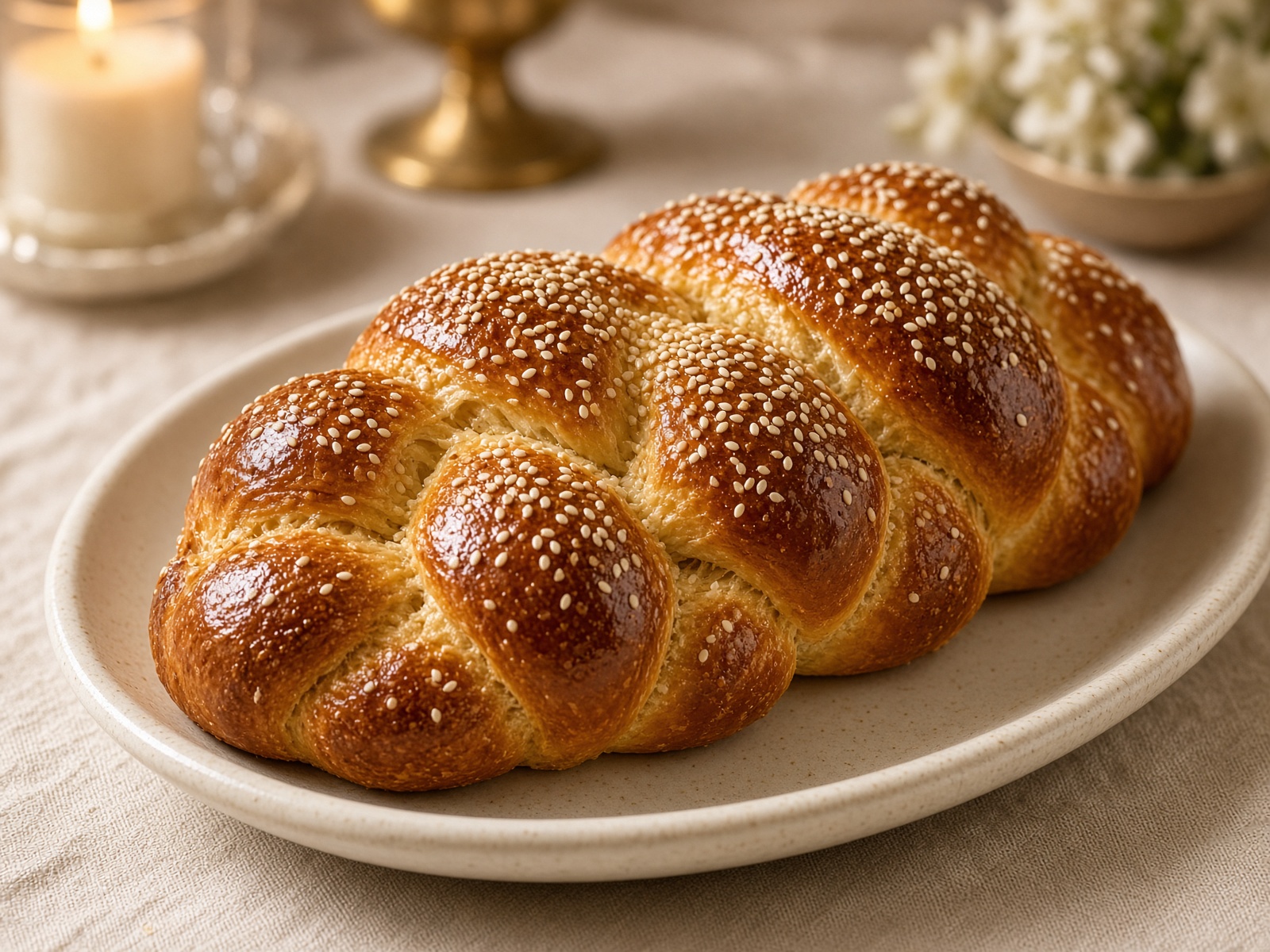
Challah
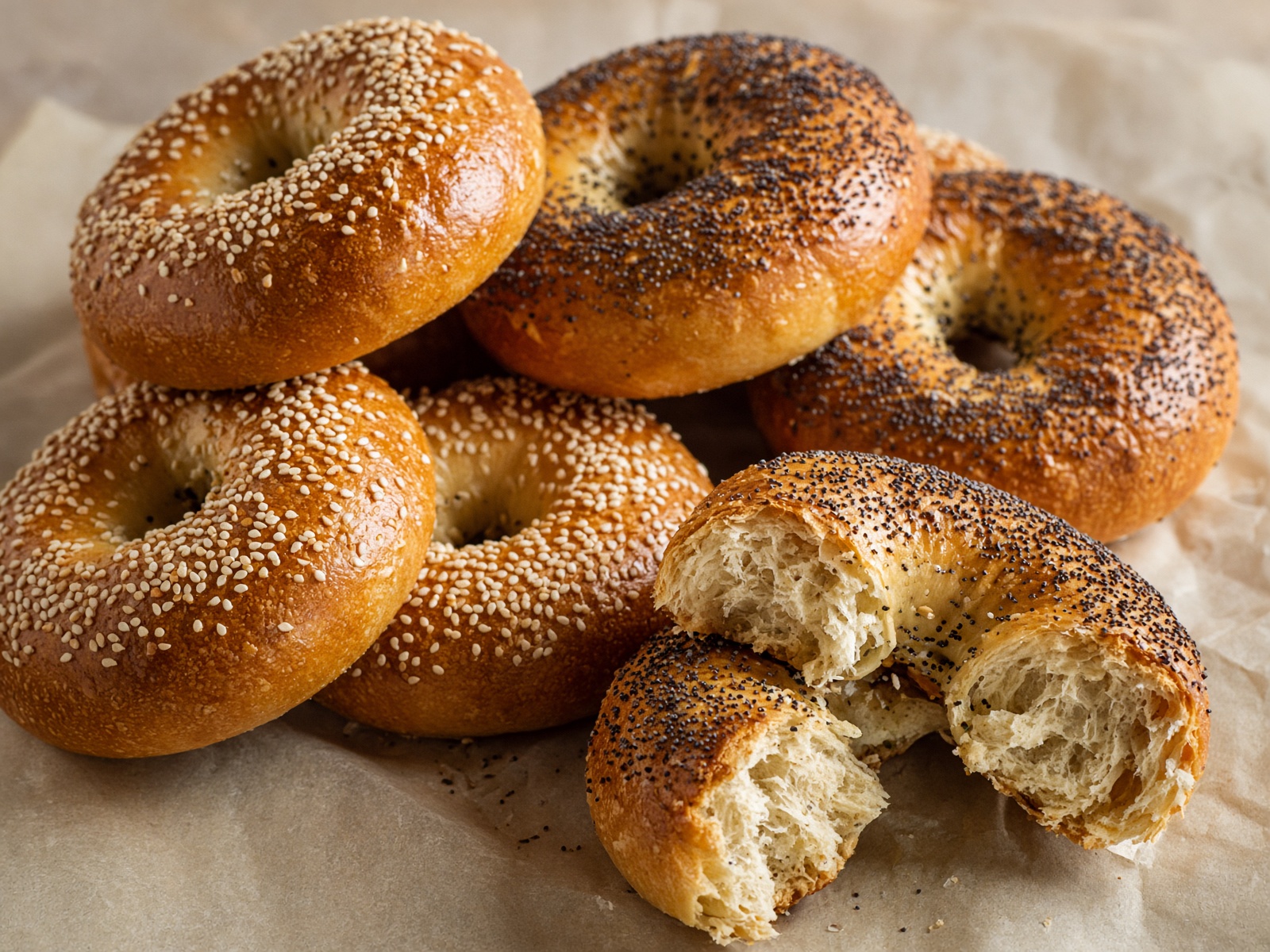
Bagels
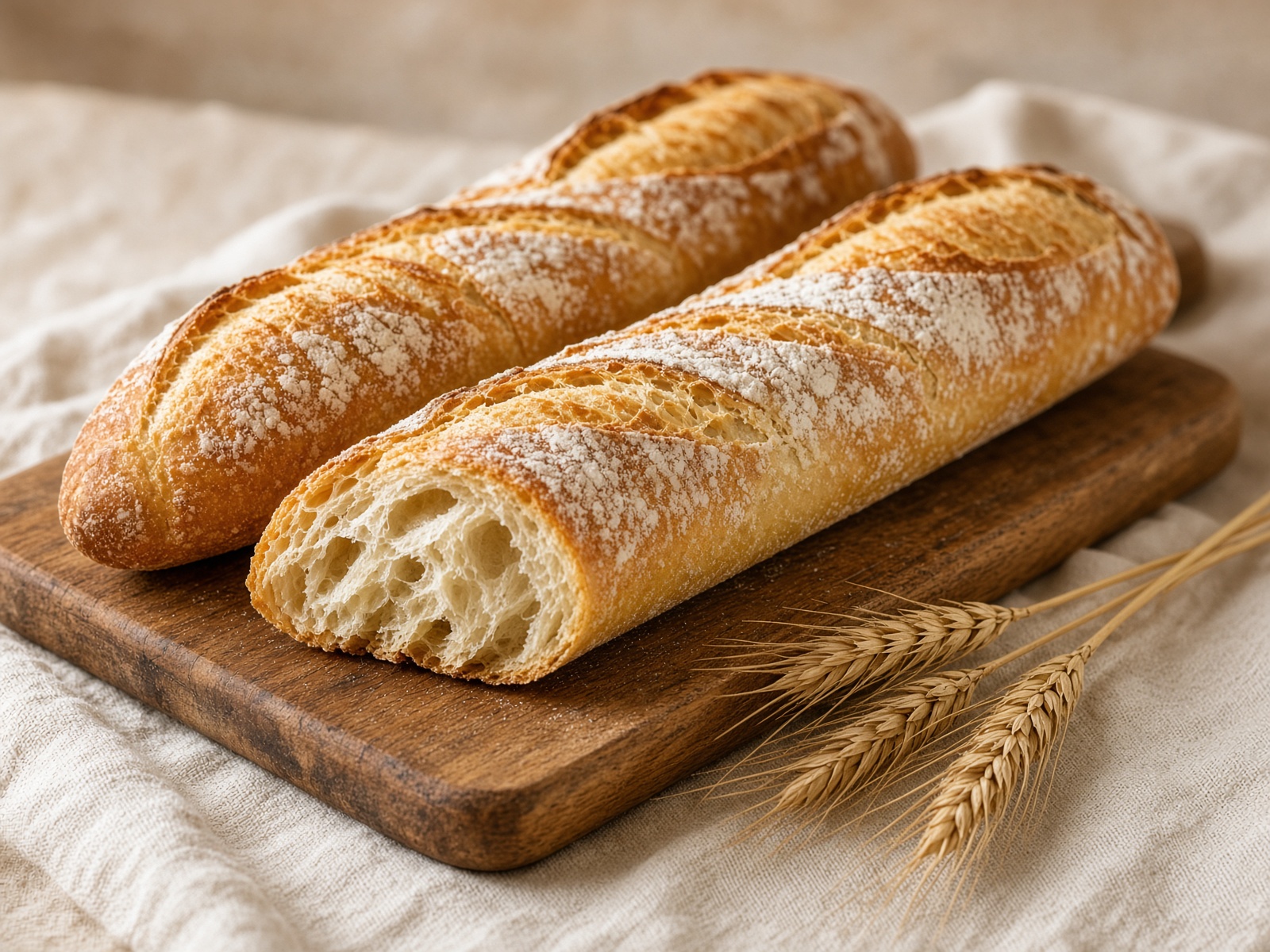
Baguette
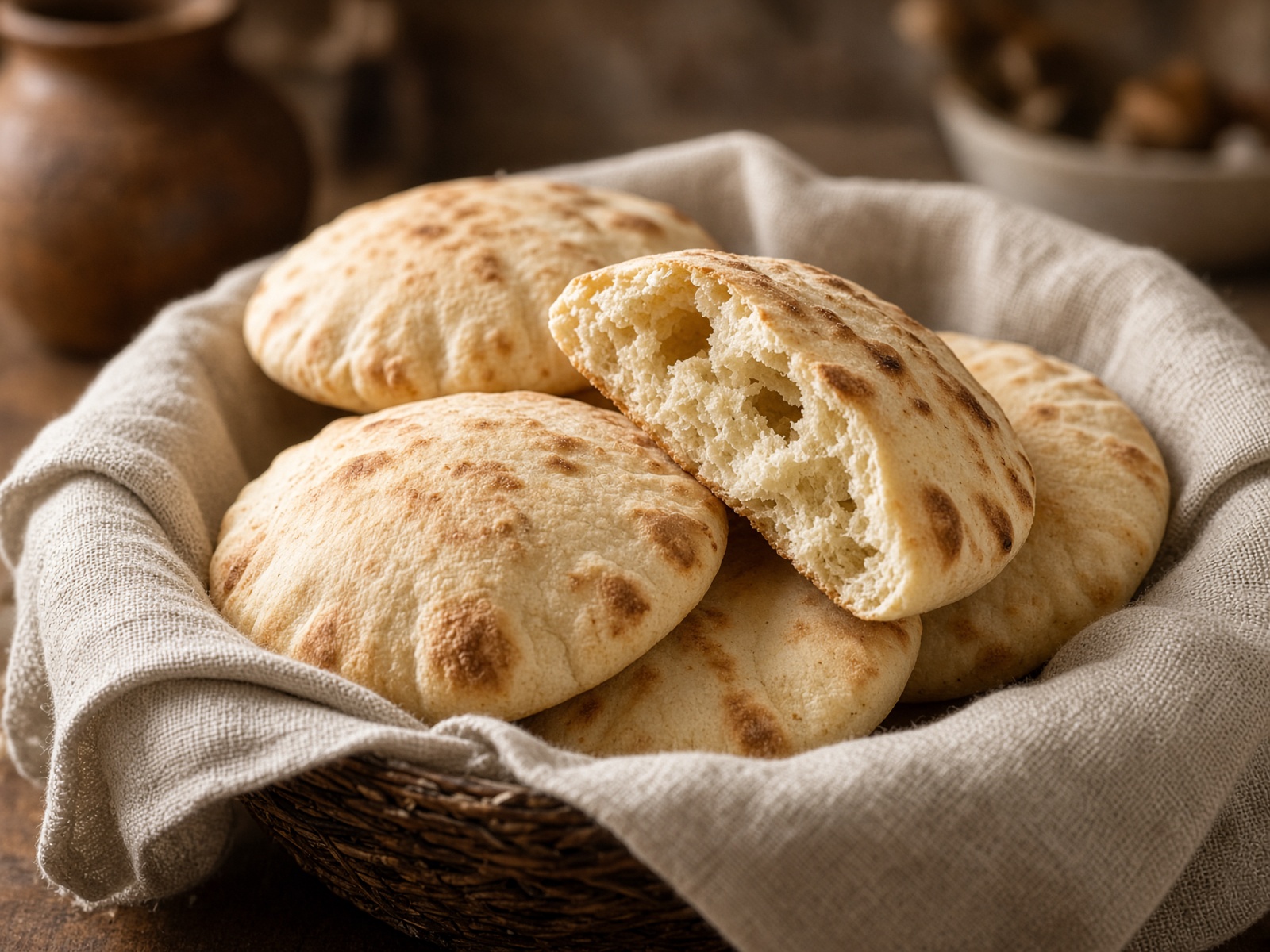
Pita
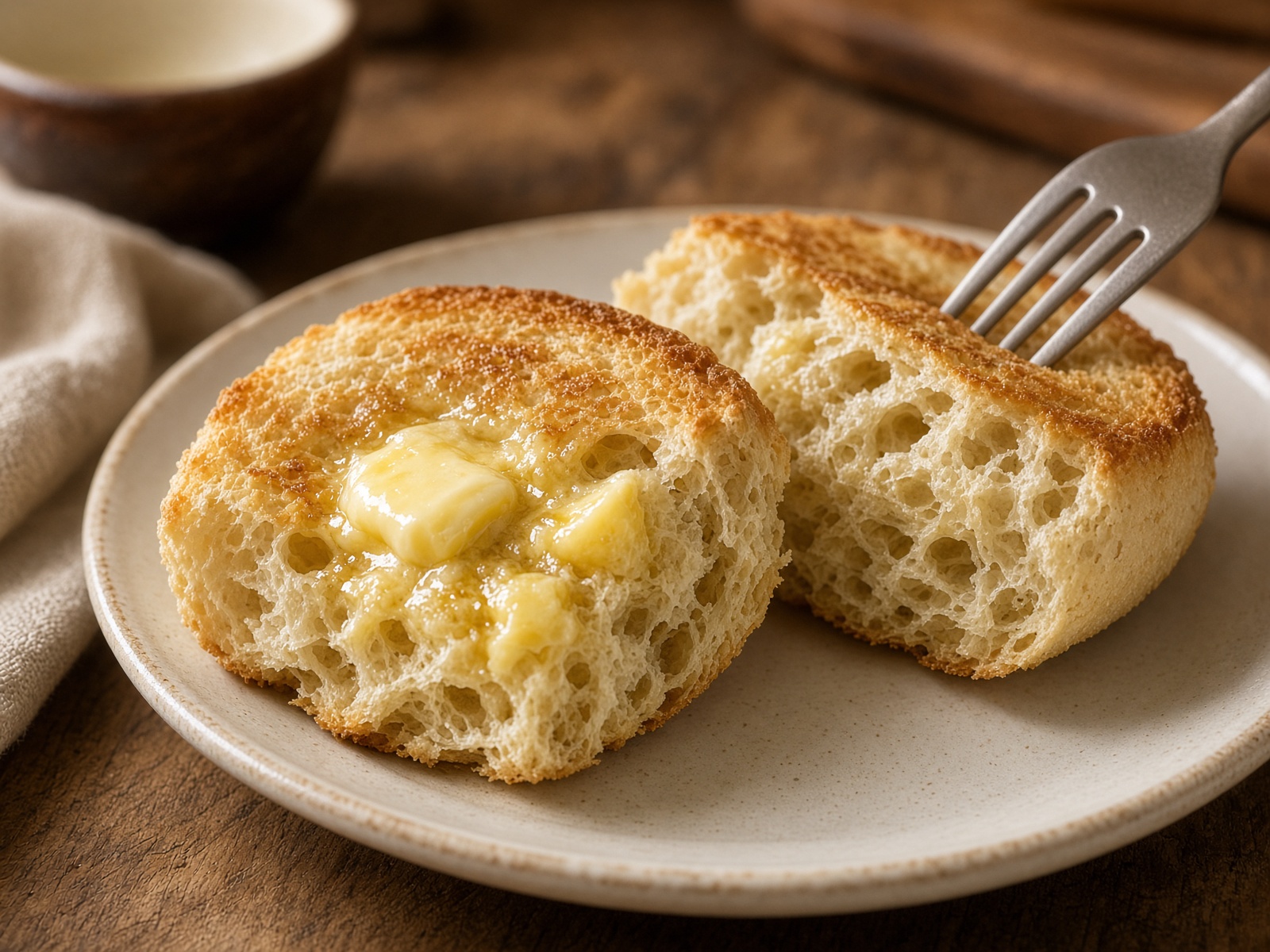
English Muffins
Rye Loaf
Naan